
Innovative Electric Solutions

How Old National Bank’s Solar Canopy Connects Local History With Modern Energy
Howie Heerdt • June 30, 2026
Turning Everyday Parking Infrastructure into a Visible, Working Energy Asset
Case Study Overview
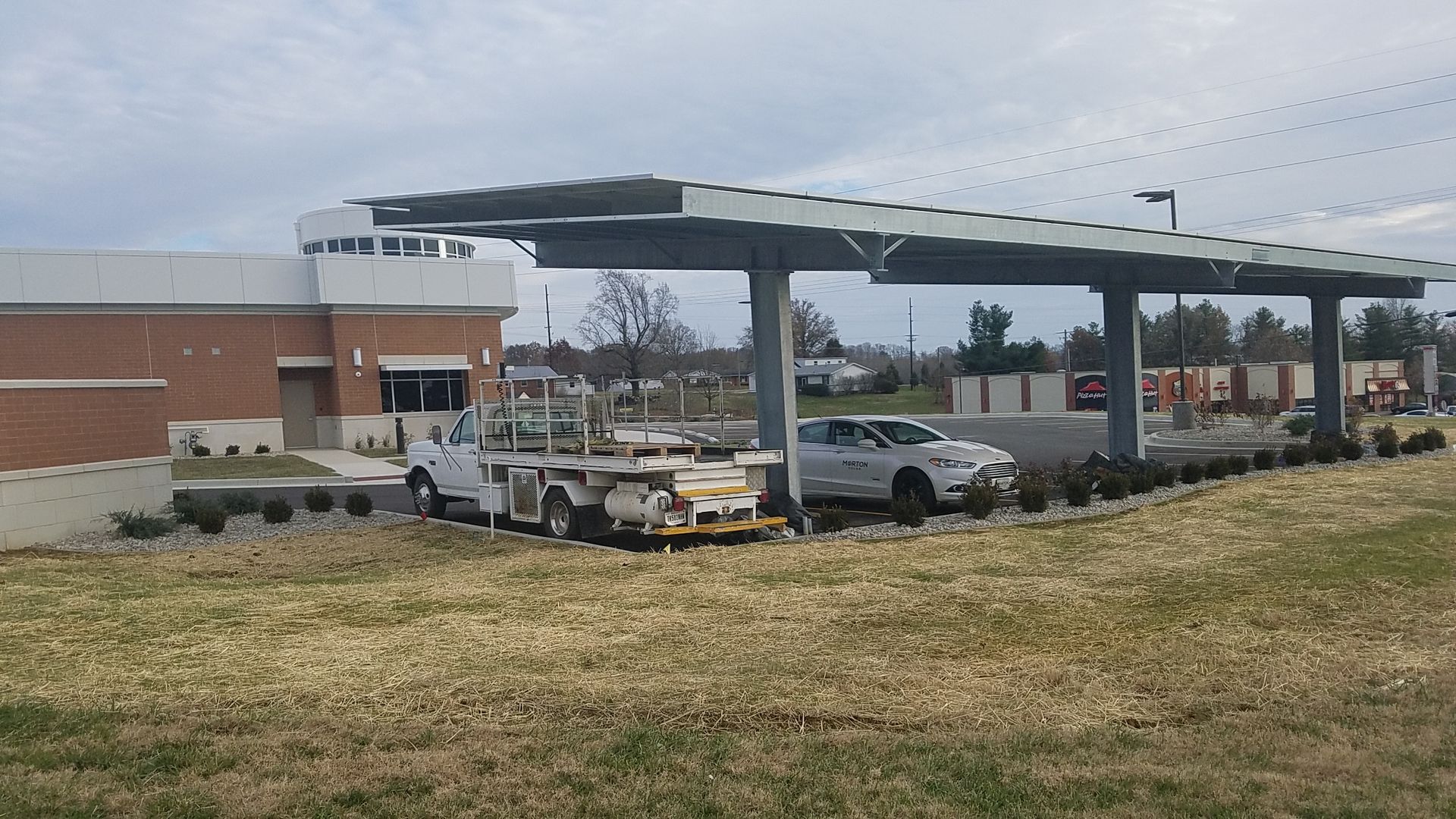
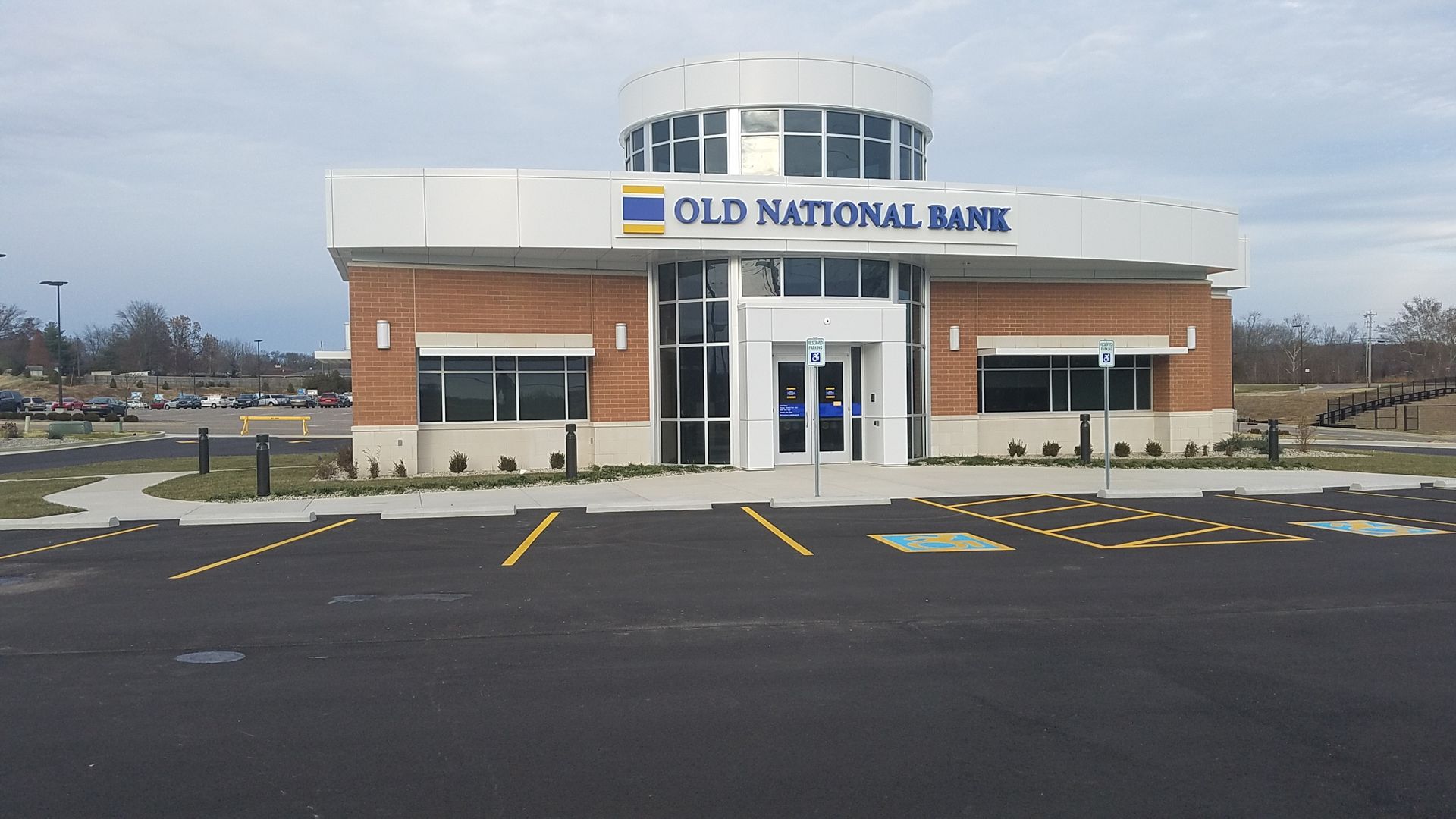
Old National Bank is not just another commercial customer in Evansville. Its history reaches back to 1834, when the bank’s story began on the shore of the Ohio River in what would become Evansville, Indiana. That makes the solar-canopy project a useful story to tell: a nearly two-century-old community banking institution investing in a modern energy asset that can serve employees, customers, facilities, and the public-facing brand experience.
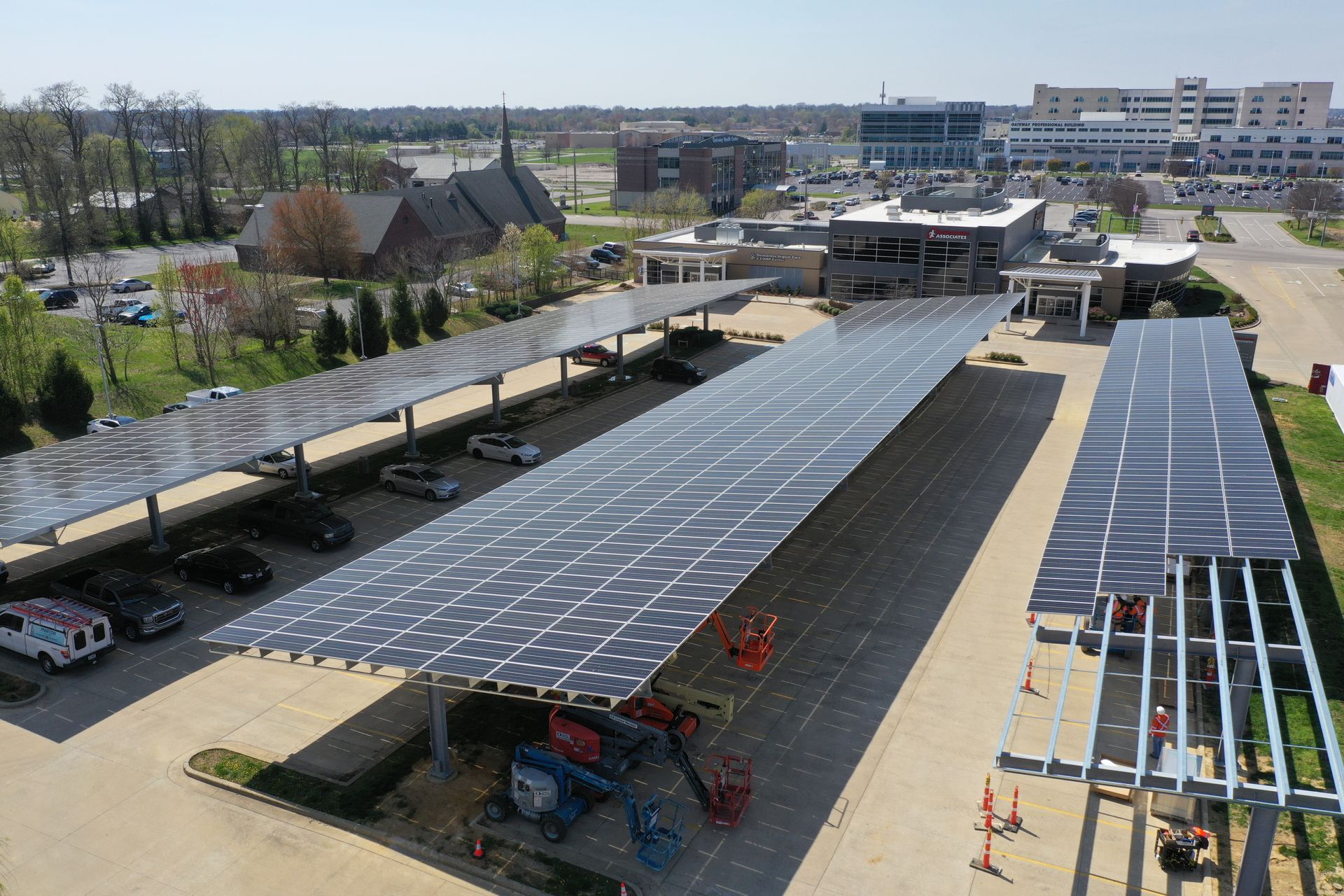
For Morton Electric, the project fits a familiar pattern: help a regional organization turn an everyday site asset into a working energy system. A solar canopy is especially visible because it does more than generate power. It can make parking areas more useful, provide shade and weather protection, and show clean-energy commitment in a way that customers and employees can see when they arrive.
Why Old National Bank’s History Matters
Old National’s public history emphasizes durability, local roots, and community investment. The bank says it has served families and businesses since November 1834 and traces its story to a modest one-room facility along the Ohio River. Today, Old National describes itself as a $73 billion regional bank and a top 25 U.S. bank, while still pointing back to the community-bank DNA that began in Evansville.
That context makes the solar canopy more than a facilities upgrade. For a financial institution built on trust, stability, and long-term relationships, investing in on-site renewable energy supports the same kind of long-horizon thinking. The project shows that a historic institution can preserve its local identity while also modernizing how it uses property, energy, and infrastructure.
The stronger case-study angle is not simply that Old National added solar. It is that Old National’s Evansville legacy gives the project a sense of continuity: the bank has been part of the region’s economic life since the 19th century, and the canopy is a 21st-century investment in operational resilience, community visibility, and responsible use of space.
Why Morton Electric Was the Right Fit
Morton Electric’s public background connects directly to this kind of commercial solar work. Public Morton source pages describe the company as a full-service licensed electrical contractor specializing in energy efficiency and renewable energy, with renewable-energy contracting experience dating back to 2006. That matters because a solar canopy is both an energy project and an electrical infrastructure project.
The company’s public materials also describe a broader role in building the regional solar market. Morton’s history includes early solar and interconnection work in Southwest Indiana, advocacy tied to renewable-energy access, and nationally recognized projects such as the Chrisney Public Library net-zero project. In other words, Morton Electric brings more than installation capacity. It brings experience with the policy, utility, design, and field realities that can decide whether a commercial renewable-energy project moves smoothly from idea to operation.
That background is a useful proof point for an Old National case study. Banks are risk-aware organizations. They need vendors who understand compliance, reliability, safety, long-term performance, and stakeholder trust. Morton Electric’s fit comes from combining electrical contracting discipline with regional solar experience and a long-standing clean-energy mission.
What a Solar Canopy Adds Beyond kWh
The energy production matters, and the final version should include the verified annual kWh once the project documents are available. But a canopy also creates value in ways a simple rooftop system may not. It turns an open parking area into productive infrastructure. It makes renewable energy visible. It can improve the daily experience of people using the site by adding shade and partial weather protection. And it helps a business communicate that sustainability is part of its physical operations, not just a statement on a website.
· Operational value: on-site generation can offset part of the facility’s electricity use once the system is energized and interconnected.
· Customer and employee value: shaded parking can improve comfort while making the project visible to people using the site.
· Brand value: a solar canopy is a public-facing sustainability signal, especially for an institution with a long local reputation.
· Land-use value: the project can generate energy from an existing paved or parking area without requiring additional land.
· Long-term planning value: the system becomes an infrastructure asset that can support the site beyond the first year of operation.
Completion Story Angle
The final version should present the job as a completed project: from planning and procurement through construction, interconnection, and energization. Once the project packet is available, the strongest completion narrative will include the exact location, final system size, equipment, production estimate, and any documented completion or payment milestones.
Until those files are available for review, the safest completion language is directional rather than numerical: Morton Electric helped deliver a solar-canopy solution for Old National Bank that reflects both organizations’ long-term view. Old National brings nearly two centuries of Evansville history; Morton Electric brings regional solar and electrical expertise. Together, the project becomes a visible example of how established local institutions can make practical clean-energy investments without losing sight of service, reliability, and community presence.
Case-Study Close
For Old National Bank, the solar canopy is a modern energy asset tied to a very old Evansville story. For Morton Electric, it is another example of helping a regional institution turn a practical site improvement into something larger: cleaner power, better use of property, and a visible commitment to the community’s energy future.
That is the heart of the case study. The project is not just about panels over pavement. It is about what happens when a trusted local institution and an experienced regional energy contractor build for the long term.
You might also like
How precision engineering, custom panel fabrication, and rigorous testing turn complex automation into reliable plant floor operations.

Key Considerations for Choosing the Right Partner for Your Industrial and Commercial Power Needs
Compare the advantages of Tesla Powerwall storage against traditional standby generators before making your next backup power investment.